








How to Store Seasonal Clothes Efficiently: Practical Tips for Every Home
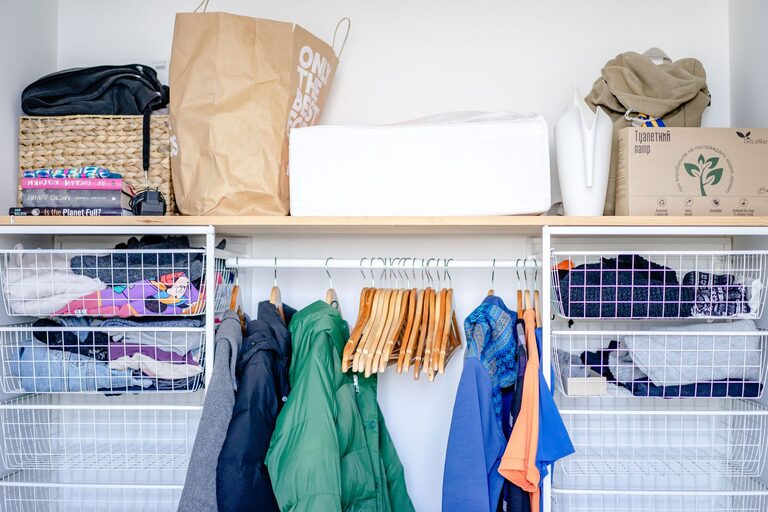
Storing seasonal clothes efficiently is a challenge many of us face. When the weather changes, bulky winter coats and cozy sweaters need to make room for lighter summer outfits — but where do you keep everything in between seasons? Proper storage not only helps you save space but also protects your garments, making them last longer and easier to find when you need them again.
In this post, we’ll explore practical tips and smart strategies for storing your seasonal clothes so they stay fresh, organized, and ready to wear. Whether you’re working with limited closet space or a large wardrobe, these ideas will help you make the most of your home.
Why Proper Seasonal Storage Matters
Before diving into storage solutions, it’s important to understand why how you store your clothes matters:
– Prevents damage: Proper storage protects clothes from dust, moisture, pests, and wrinkles.
– Saves space: Efficient organization frees up closet or dresser space for current-season clothing.
– Makes retrieval easy: Labeling and sorting help you find items quickly when the seasons change.
– Extends garment life: Keeping clothes clean and well-stored reduces wear and tear.
Now, let’s look at how to prepare and store your seasonal clothes step-by-step.
Step 1: Sort and Declutter
The best place to start is by sorting through your wardrobe. Take all the seasonal clothes out and go through them carefully:
– Assess condition: Check for any stains, tears, or repairs needed. Clean or mend items before storing.
– Declutter: Donate or recycle clothes you no longer wear or that don’t fit.
– Group by category: Separate clothes by type — for example, sweaters, jackets, pants, or accessories.
Sorting helps reduce clutter and makes it easier to decide how to store each category.
Step 2: Clean Clothes Before Storing
Storing dirty clothes can cause stains to set, attract pests, or develop odors. Always wash or dry clean your seasonal clothes before packing them away:
– Follow care label instructions to avoid damage.
– Make sure clothes are completely dry to prevent mildew.
– Use gentle detergents for delicate fabrics.
If you have items that can’t be washed, consider airing them out or using fabric refreshers before storage.
Step 3: Choose the Right Storage Containers
The type of container you use plays a big role in protecting your clothes:
Best Storage Options
– Plastic bins with lids: Offer protection from moisture and pests. Choose clear bins to easily see contents.
– Vacuum-sealed bags: Great for saving space with bulky items like winter coats and blankets. However, avoid using them for natural fibers that need air circulation.
– Fabric garment bags: Ideal for dresses and suits; breathable to prevent mildew.
– Drawer organizers or boxes: Useful for small items like scarves, gloves, and hats.
Avoid cardboard boxes as they can attract insects and absorb moisture.
Tips for Storage Containers
– Use acid-free tissue paper to separate delicate items and prevent creasing.
– Label every container clearly with its contents and season.
– Don’t overpack containers; leave some room for air circulation.
Step 4: Store Clothes in a Suitable Location
Where you store your clothes affects their condition. Choose a location that is:
– Cool and dry: Avoid basements prone to dampness or attics with high heat.
– Away from sunlight: UV rays can fade and weaken fabrics.
– Pest-free: Use natural deterrents like cedar blocks or lavender sachets to keep moths away.
If space is tight, consider storing seasonal clothes under your bed, in vacuum bags inside closets, or in storage ottomans.
Step 5: Organize for Easy Access
When it’s time to change your wardrobe, finding what you need should be easy. Here are some organizational tips:
– Label everything: Use tags, stickers, or write on storage containers.
– Group similar items: For example, keep all winter accessories together.
– Rotate seasonally: When you pack away clothes, place frequently used items on top.
– Make a list: Keep a written or digital inventory of stored clothes for quick reference.
Extra Tips for Specific Clothing Types
Sweaters and Knits
– Fold instead of hanging to prevent stretching.
– Store flat in breathable containers or drawers.
– Use cedar balls to keep moths away.
Coats and Jackets
– Clean thoroughly before storing.
– Hang in breathable garment bags with sturdy hangers.
– Avoid plastic covers that trap moisture.
Shoes and Boots
– Clean and dry completely.
– Stuff with tissue paper to maintain shape.
– Store in pairs inside clear boxes or shoe organizers.
Final Thoughts
Storing your seasonal clothes efficiently is all about preparation, protection, and organization. With a little time invested each season, you can save space, keep your wardrobe in great condition, and make dressing for the weather easy and enjoyable.
Try these tips during your next seasonal closet switch and see how much smoother the process becomes. Happy organizing!